


This year’s season of work in the field in Svalbard is coming to an end.
The Bera began intensive operations in Longyearbyen, as is traditional, a week before the unloading of the Horyzont II, which left Gdynia and arrived in Longyearbyen on 11 June 2026.
At that time, we unloaded and stored over 30 pallets and smaller parcels of research equipment for polar expeditions.
Over the next two months, representatives from various scientific institutions picked up and loaded their parcels onto vessels bound for the field to conduct their research. After three years of operations, we have now become quite familiar with the vessels sailing around Svalbard that support the logistics of Arctic researchers’ activities, including BetterMoments, Farm, Ice Hammer, Join Us, Ocean-C, and Ulla Rinman, for which we delivered cargo for polar expeditions.
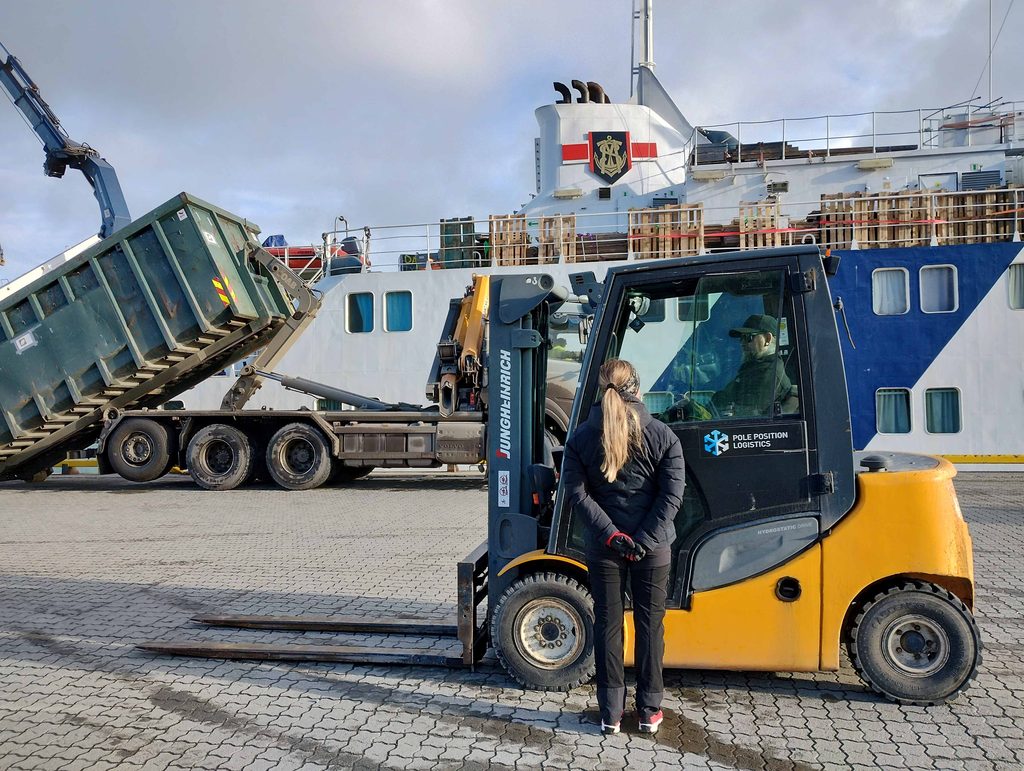
Traditionally, the summer season for BERA’s operations in Longyearbyen ends with a second visit by the Horyzont II, which collects cargo returning to Poland. The ship arrived on 5 September 2026.
Obviously, some of the research equipment – such as generators, engines, pontoons, etc. – is stored by the research teams at BERA until the following year, so that they can start the next working season efficiently.
As usual, this season we collaborated with research groups carrying out their scientific work based at field stations located in various parts of Spitsbergen, such as:
a) a year-round station conducting continuous environmental monitoring:
– The Polish Hornsund Polar Station, Institute of Geophysics, Polish Academy of Sciences
b) seasonal stations, where research is undertaken directly by staff during the summer; outside the season, continuous monitoring relies on the operation of installed measuring equipment, which collects data until the next visit:
– The Stanisław Baranowski Polar Station of the University of Wrocław,
– The Nicolaus Copernicus University Polar Station in Toruń, Kaffioyra,
– The Adam Mickiewicz University Polar Station in Poznań, Petuniabukta.
And let’s not forget the Polish research vessel ‘Oceania’ of the Institute of Oceanology of the Polish Academy of Sciences, which could be described as a floating research station, having carried out regular marine monitoring near the Svalbard archipelago for many years.
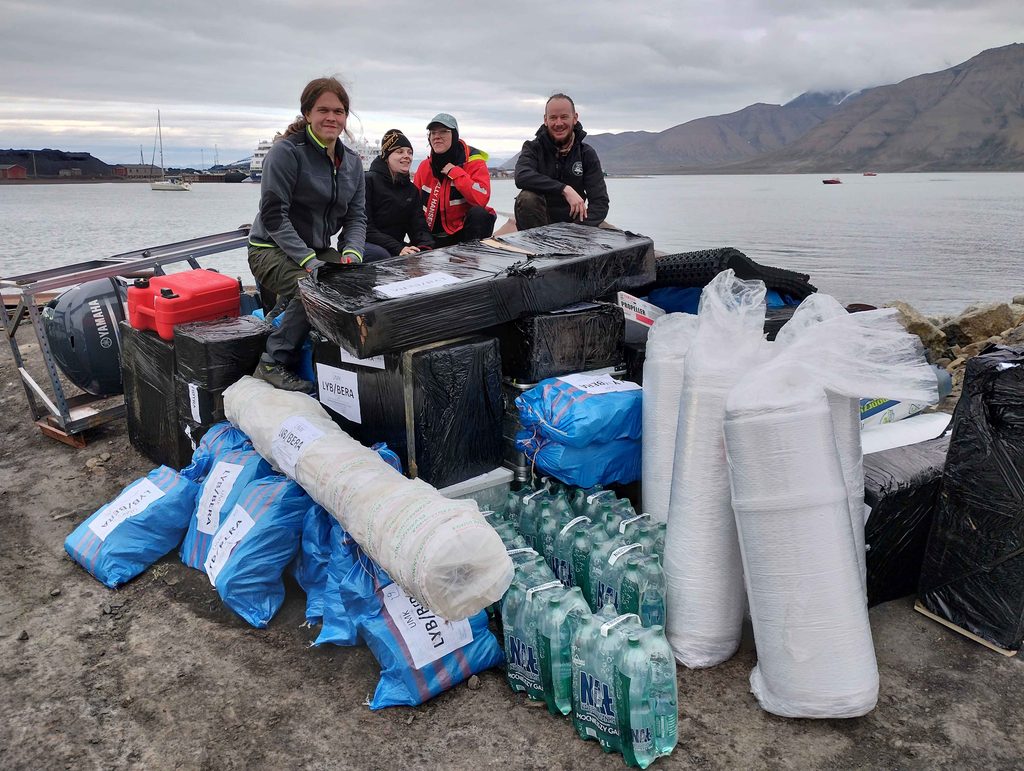
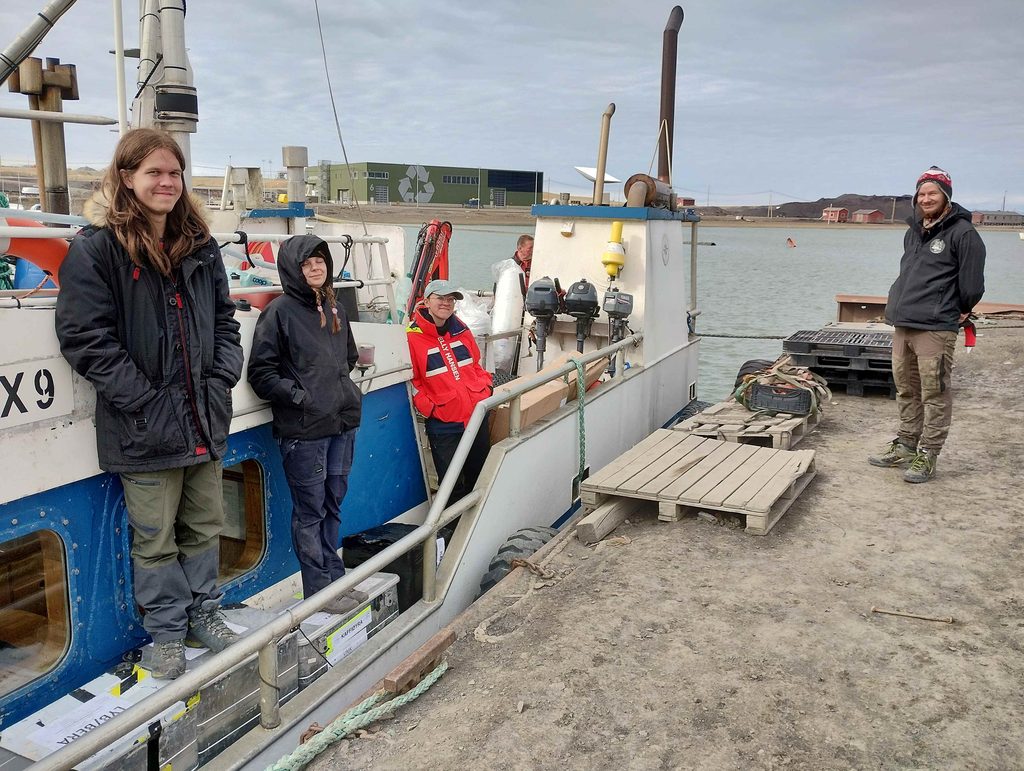
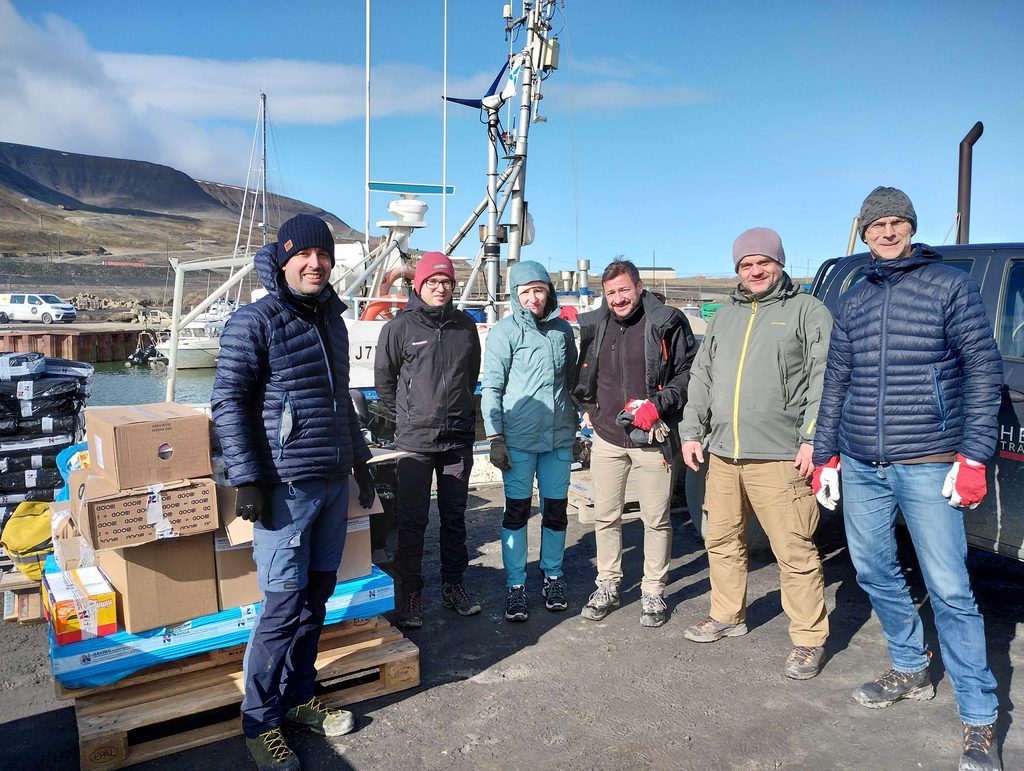
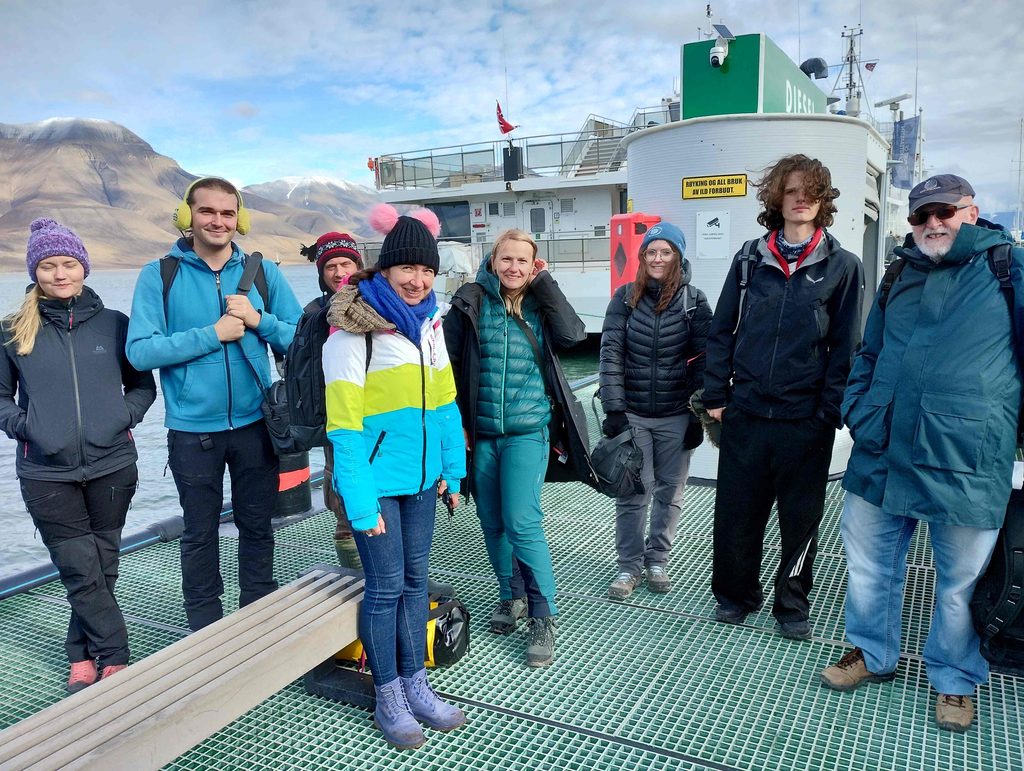
To summarise, during the season we were visited by field expeditions from institutions with which we collaborate regularly and which are co-founders of BERA:
– Institute of Geophysics, Polish Academy of Sciences,
– Institute of Oceanology, Polish Academy of Sciences,
– University of Silesia in Katowice,
– Adam Mickiewicz University in Poznań,
– Nicolaus Copernicus University in Toruń,
– Maria Curie-Skłodowska University in Lublin,
– University of Wrocław,
and other collaborating institutions:
– Svalbard Integrated Arctic Earth Observing System (SIOS),
– Gdańsk University of Technology,
– 4Science Foundation.
Now that we’re back, we’re continuing with the administrative work that runs in the background, to finalise and formalise the activities carried out this year and to plan the next season of BERA’s work and further development. A regular cycle has been established in our work: between October and December, we summarise and finalise the year’s activities, attend to formalities and documentation, whilst also drawing up plans or drafting grant applications to secure additional funding for BERA’s growth. Then, at the start of the year, in January, we meet with our partners and colleagues at the International Polar Night Week conference (often in Longyearbyen again), where we discuss BERA’s collaboration within the Svalbard Research Infrastructure. Here, we establish contacts and highlight the potential for scientific collaboration utilising BERA in ongoing international activities. It is worth noting that this year, the BERA Centre was included on the Polish Research Infrastructure Map and serves as a key hub for the activities of the Polish polar research community.
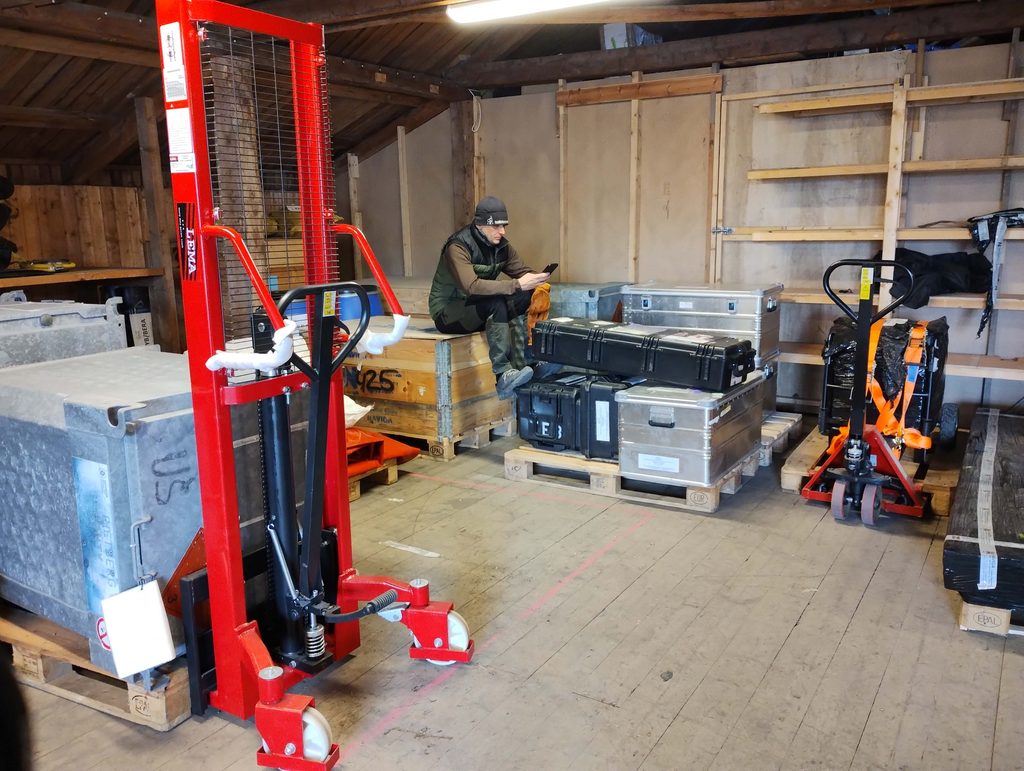
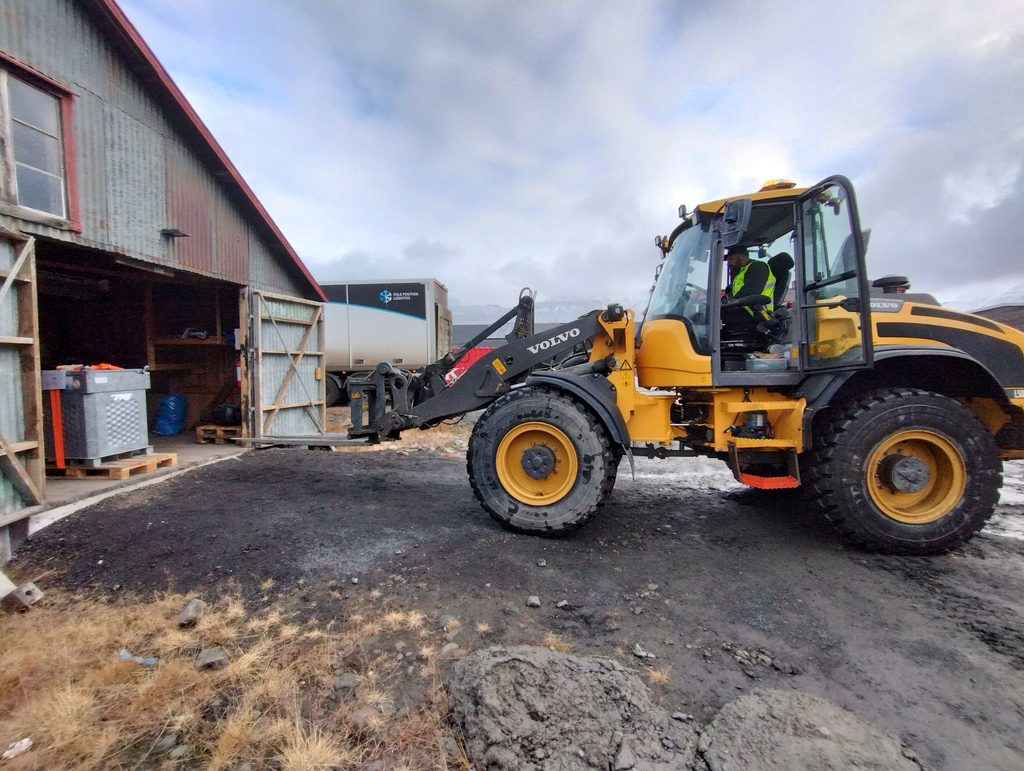
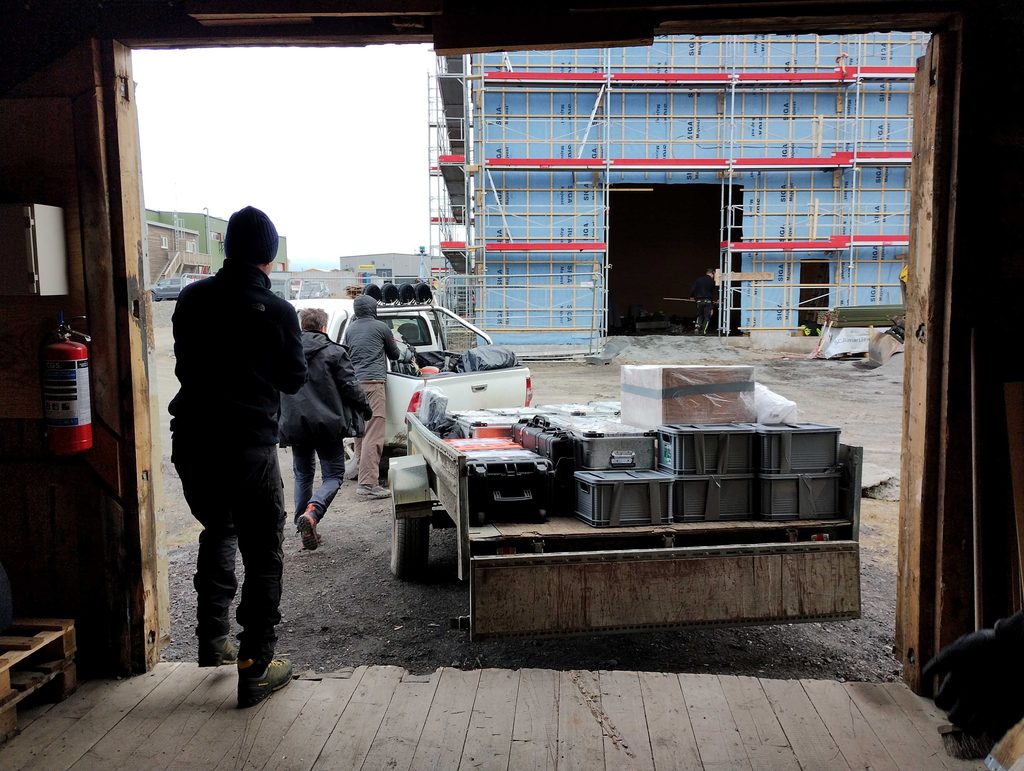
In the run-up to spring, in February–March, we organise a meeting of the BERA Board and draw up all purchase and logistics orders to initiate the administrative procedures for the coming summer season. Our purchases and all material deliveries must be finalised by mid-May, as all our supplies and cargo are loaded onto the Horyzont II from Gdynia in the second half of May, so that they arrive in Longyearbyen by the beginning of June, where we’ll be running BERA’s operations in Svalbard and kicking off another season of intensive fieldwork, which will once again run from June to September.
As BERA’s manager, I have come to appreciate this regular cycle of work, which offers a wealth of experience and a whole range of different tasks to solve.
I want to thank everyone who supports us in our work, and I look forward to continued fruitful collaboration in the coming seasons!
Katarzyna Stachniak